Gum Disease Treatment Tips for Long-Term Oral Health
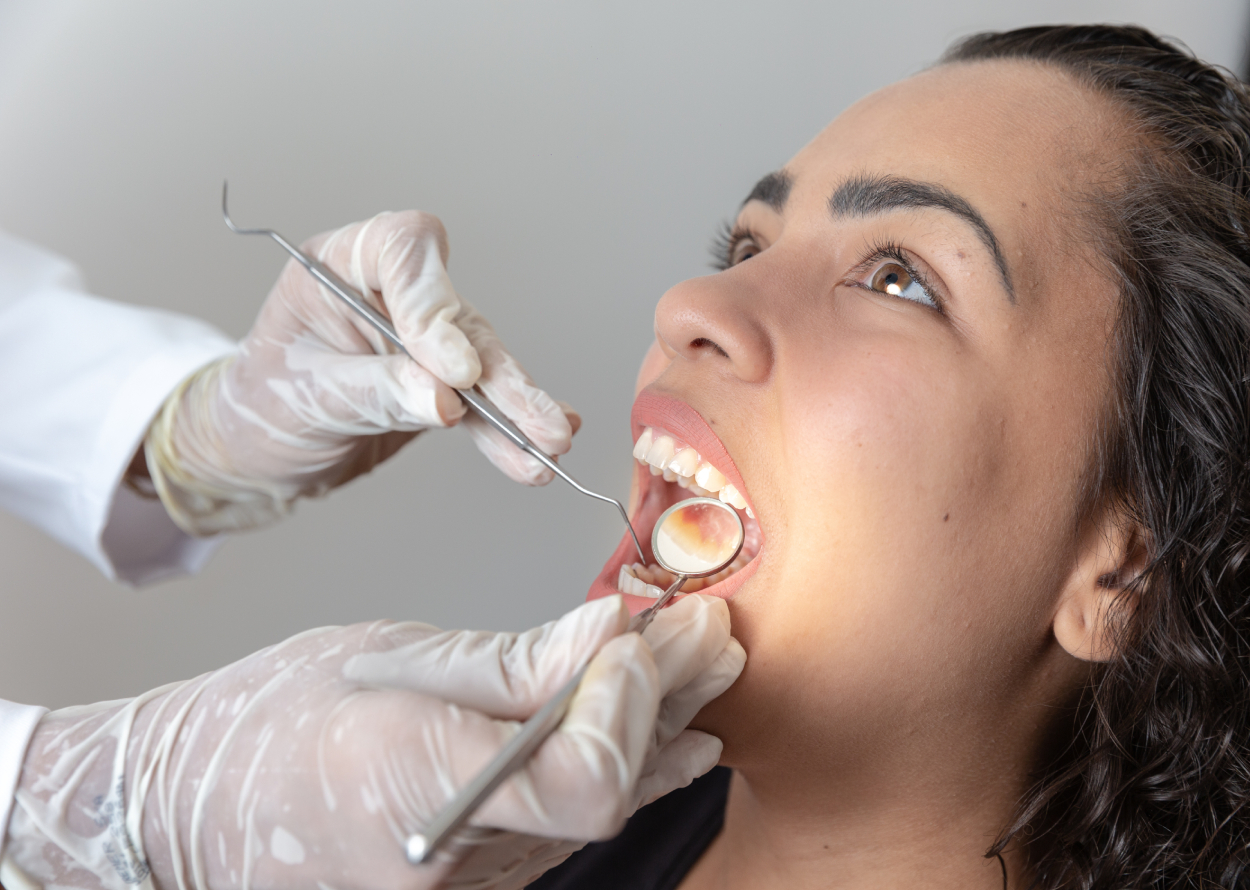

Healthy gums rarely get much attention until they start to hurt, bleed, or pull away from the teeth. That is part of what makes gum disease so persistent. It often begins quietly, with subtle inflammation and a little blood in the sink, then progresses over months or years into deeper infection, bone loss, loose teeth, and expensive restorative care. The good news is that with timely treatment and disciplined follow-through, many people can stop that progression and keep their natural teeth for decades.
In practice, gum disease treatment is not one single event. It is a sequence. First comes diagnosis, then professional care to reduce infection, then a long stretch of maintenance at home and in the dental chair. Patients often hope for a quick fix, but gums heal best when the underlying habits, risk factors, and bacterial buildup are addressed consistently. Long-term oral health depends less on dramatic procedures and more on the small choices made every day.
What gum disease really is, and why it tends to linger
Gum disease starts as gingivitis, which is inflammation of the gum tissue caused by bacterial plaque accumulating around the teeth. At this stage, gums may look puffy, feel tender, or bleed during brushing or flossing. Gingivitis is common, and in many cases it can be reversed with improved hygiene and professional cleaning.
Periodontitis is different. Once the inflammation extends deeper, the attachment between tooth and gum begins to break down. Pockets form. Bacteria settle into those spaces where a toothbrush cannot reach. Over time, the bone that supports the teeth may shrink. That bone loss does not grow back easily on its own, which is why early intervention matters so much.
One of the reasons gum disease becomes chronic is that it does not behave like a simple surface infection. The mouth is a living environment with saliva, food particles, shifting bacterial populations, immune responses, clenching forces, and medical conditions that affect healing. If someone has deep pockets, smokes, grinds their teeth, or has poorly controlled diabetes, treatment tends to take longer and relapse is more likely.
The signs patients often dismiss
A surprising number of people assume bleeding gums are normal. They are not. In a healthy mouth, routine brushing and flossing should not leave pink foam in the sink. Bad breath that keeps coming back, even after brushing, can also point to bacterial buildup below the gumline.
Here are some warning signs worth taking seriously:
- Gums that bleed during brushing, flossing, or eating
- Persistent swelling, tenderness, or redness along the gumline
- Teeth that appear longer because the gums are receding
- Chronic bad breath or a bad taste that does not resolve
- Teeth that feel loose, shift position, or trap more food than usual
Not every symptom means advanced periodontal disease, but each one deserves evaluation. I have seen patients wait six months because there was “no pain,” only to learn that several areas already had significant pocketing and bone loss. Gum disease does not always announce itself with a toothache.
The first step is a thorough periodontal evaluation
Effective treatment begins with accurate measurement. A proper periodontal exam usually includes probing depths around each tooth, checking for bleeding, reviewing recession, assessing plaque and tartar accumulation, and taking radiographs when needed to evaluate bone levels. This step matters because treatment should match the severity of disease, not just the appearance of the gums at a quick glance.
A patient with mild generalized gingivitis may need a conventional cleaning and better home care coaching. Someone with moderate or severe periodontitis may need scaling and root planing, localized antimicrobial therapy, bite adjustment, and shorter maintenance intervals. If there are deep isolated defects or furcation involvements around molars, a referral to a periodontist may be the most efficient path.
When people search for Gum Disease Treatment in Ventura or another local area, they are often looking for a quick appointment because they have noticed bleeding or discomfort. Speed helps, but quality of diagnosis matters more. A rushed cleaning without a periodontal assessment can miss the real problem.
Why professional cleaning alone is sometimes not enough
A standard prophylaxis is designed for generally healthy gums. It removes plaque, surface stains, and light tartar above the gumline and slightly below it. Once gum disease advances and pockets deepen, the deposits are no longer superficial. Hardened calculus can cling to root surfaces below the gums, acting as a rough reservoir for bacteria.
That is where scaling and root planing comes in. This non-surgical periodontal therapy targets the infected areas more thoroughly. The clinician removes plaque and calculus from below the gumline and smooths the root surfaces to make it harder for bacteria to reattach. Local anesthetic is often used because the work needs to be precise and deep enough to disrupt the infection.
Patients sometimes resist this recommendation because they feel fine or because they are comparing it to a routine cleaning they had in the past. The difference is important. Treating periodontitis with a simple polish and superficial cleaning is like mopping around a leak without fixing the source.
What to expect after scaling and root planing
Recovery is usually manageable, but expectations should be realistic. Gums may feel sore for a few days. Teeth can become temporarily sensitive to cold because inflamed tissue shrinks as it heals, exposing more root surface. Some patients are alarmed when the gums look less puffy after treatment and the spaces between teeth appear slightly larger. Clinically, that can be a positive sign because swollen tissue is receding to a healthier contour.
The more meaningful changes are measured over several weeks. Bleeding should reduce. Tissue tone often improves. Pocket depths may decrease in areas where inflammation resolves well. Not every site responds equally, though. Deep pockets around back teeth, areas with difficult root anatomy, and sites that are hard for a patient to clean at home may remain problematic.
At the follow-up visit, the dentist or hygienist should reassess the tissues rather than assuming the job is done. Some patients stabilize nicely with non-surgical care and disciplined maintenance. Others need additional localized treatment or referral for periodontal surgery.
When surgical care enters the picture
Surgery is not the first answer for most people, but it can be appropriate when non-surgical care leaves persistent deep pockets, difficult defects, or areas where access is limited. Periodontal flap surgery allows direct visualization of root surfaces and bone contours. In selected cases, regenerative procedures may be considered to encourage healing in certain types of defects. Gum grafting may help where recession causes sensitivity, root exposure, or a high risk of further tissue loss.
This is one of those areas where judgment matters. Not every deep pocket deserves surgery, and not every recession defect should be grafted. Decisions depend on anatomy, esthetics, symptoms, home care ability, smoking status, and the patient’s willingness to maintain the result. A technically successful procedure can still fail over time if plaque control remains poor.
The home care habits that make treatment last
Professional therapy creates an opportunity for healing, but daily home care determines whether that healing holds. The goal is not aggressive scrubbing. In fact, many people damage their gums by brushing too hard while still missing the areas that matter most. Consistency and technique are far more important than force.
The habits that tend to support long-term stability are straightforward:
- Brush twice daily with a soft-bristled toothbrush, angling the bristles gently toward the gumline
- Clean between the teeth every day with floss, interdental brushes, or water flossing if recommended
- Use any prescribed antimicrobial rinse exactly as directed, not indefinitely without guidance
- Replace worn toothbrush heads regularly, because frayed bristles clean poorly
- Keep periodontal maintenance appointments, even when the mouth feels normal
Interdental cleaning deserves special attention. If someone has larger spaces between teeth, bridges, orthodontic appliances, or recession, standard floss may not be enough. Small interdental brushes often do a better job because they physically contact more surface area. This is a common turning point for patients. Once they switch to the right tool, bleeding often drops noticeably within a couple of weeks.
The role of periodontal maintenance, and why three months is common
After active Gum Disease Treatment, many patients are placed on a periodontal maintenance schedule, often every three or four months rather than every six. This is not arbitrary. Bacterial repopulation in periodontal pockets can happen relatively quickly, and patients with a history of periodontitis are more vulnerable to recurrence.
A maintenance visit is not just a cleaning with a different name. It generally includes review of pocketing, bleeding points, plaque control, tissue changes, and targeted removal of deposits in areas that collect bacteria easily. It is a preventive strategy for a chronic condition. People who skip these visits often do fine for a while, then return with inflammation, deeper pockets, and renewed bone loss.
I have seen this pattern repeatedly. A patient completes treatment, feels better, stretches their recalls to eight or nine months because https://www.google.com/maps?cid=6886544599407677320 life gets busy, and comes back surprised that the disease has returned. Gum health is easier to preserve than to rebuild.
Smoking, vaping, and healing that never quite catches up
Tobacco remains one of the most important risk factors in periodontal disease. Smokers often bleed less visibly, which can make the gums seem healthier than they are, but the underlying circulation and immune response are compromised. Healing tends to be slower, pocket reduction may be less impressive, and recurrence is more common.
Vaping is sometimes presented as harmless by comparison. The data are still evolving, but from a clinical standpoint, nicotine exposure and chronic irritation are not helping the gums. Patients who reduce or stop smoking during periodontal treatment often see better tissue response. Even partial reduction can be a meaningful step, though complete cessation provides the strongest benefit.
This is one of those conversations that should be honest, not scolding. Perfect behavior is rare. Progress counts. A patient who cuts back, improves brushing technique, and starts showing up for maintenance is often far better off six months later than someone waiting for the perfect moment to change everything at once.
Diabetes, medications, and other factors outside the mouth
Gums do not exist in isolation. Poorly controlled diabetes can worsen inflammation and impair healing, while active periodontal infection can make glucose control more difficult. The relationship goes both ways. For patients with diabetes, coordination between dental care and medical management can make a real difference.
Dry mouth is another overlooked problem. Some blood pressure medications, antidepressants, antihistamines, and other common prescriptions reduce saliva flow. Less saliva means less natural rinsing and buffering in the mouth, which can increase plaque accumulation and irritate soft tissues. Mouth breathing, autoimmune conditions, and dehydration can create similar issues.
Hormonal shifts can also change gum response. Pregnancy, menopause, and certain oral contraceptives may increase inflammation in susceptible patients. The bacteria still drive the disease, but the tissue reaction becomes more pronounced. Good treatment accounts for these variables rather than blaming the patient for every setback.
Food choices matter, though not in the simplistic way people expect
There is no magic periodontal diet, but eating patterns influence the oral environment. Frequent sugary snacks feed bacterial growth. Sticky carbohydrates that cling around the gumline are especially unhelpful. By contrast, meals with fiber-rich vegetables, adequate protein, and plenty of water tend to support oral and general health.
What matters most is frequency and cleanup. A sweet dessert with dinner is usually less harmful than grazing on sweetened coffee drinks, crackers, or candy all afternoon. Constant exposure keeps the mouth in a more inflammatory state. If someone cannot brush after meals, even rinsing with water and avoiding prolonged snacking can help.
Patients recovering from deep cleanings or gum procedures sometimes switch briefly to softer foods because chewing feels uncomfortable. That is reasonable in the short term. The key is returning to a balanced diet once healing allows.
Why clenching and bite stress can complicate gum problems
Bacterial infection is the main driver of periodontal disease, but excessive bite forces can worsen the damage. Patients who clench or grind often show mobility, tooth wear, soreness, and areas where the supporting structures are under chronic stress. If those same teeth also have reduced bone support from gum disease, the situation becomes harder to stabilize.
This does not mean a night guard cures periodontitis. It means force management can improve comfort and protect already compromised teeth. In some cases, selective adjustment or restorative planning may also be considered if the bite is contributing to trauma.
One practical example is the lower front teeth in a patient with recession and years of nighttime clenching. Even if plaque control improves, those teeth may stay tender or mobile unless the force issue is addressed. Treatment works best when the entire picture is considered.
Children, teens, and younger adults are not automatically in the clear
Many people associate periodontal disease with older adults, but gum problems can begin much earlier. Teenagers commonly develop gingivitis when oral hygiene slips during orthodontic treatment. Young adults may ignore early bleeding because they assume they are too young for serious disease. While advanced periodontitis is less common in younger patients, it certainly occurs.
When I talk to younger patients, the message is simple. Bleeding is not a harmless quirk. Braces, retainers, crowded teeth, wisdom teeth issues, and inconsistent home care can all set the stage for inflammation. Catching it early is far easier than trying to manage attachment loss later.
Choosing the right provider, especially for ongoing care
Finding a dentist or periodontist who communicates clearly is just as important as finding someone with the right tools. Patients should understand their measurements, what the treatment is intended to accomplish, what home care changes are needed, and what the maintenance plan looks like. Vague phrases such as “your gums are a little irritated” are not enough when periodontal disease is present.
For those seeking Gum Disease Treatment in Ventura, a helpful first visit usually includes a periodontal charting, discussion of risk factors, a tailored treatment recommendation, and a realistic maintenance plan. It should not feel like a rushed sales pitch for procedures the patient does not understand. Good care is specific. It explains why one area needs more attention than another and what success will look like over time.
Setbacks happen, and they do not mean treatment failed
Long-term gum care is rarely a perfect straight line. A stressful month, a new medication, illness, travel, pregnancy, or simply slipping out of routine can lead to renewed bleeding or plaque buildup. Patients sometimes feel embarrassed when that happens and delay their next visit, which only makes recovery harder.
It is better to think of periodontal care the way people think about blood pressure or back pain management. Stability comes from regular attention. If there is a flare-up, the right response is adjustment, not shame. A short course correction, improved hygiene, more frequent maintenance, or a small change in tools can often get things back on track.
That mindset tends to serve people well. The patients who keep their gums healthiest over many years are not always the ones with perfect mouths to begin with. More often, they are the ones who respond early, stay curious about what is working, and commit to maintenance even when life gets crowded.
Long-term oral health is built on consistency
The most durable results in Gum Disease Treatment come from a combination of accurate diagnosis, thorough professional care, and realistic daily habits. There is no shortcut around plaque control, and there is no substitute for maintenance once someone has had periodontitis. But there is also a lot of room for improvement, even in mouths that have been neglected for years.
Healthier gums usually feel different before they look dramatically different. They bleed less. They feel less swollen. Breath improves. Brushing becomes less uncomfortable. Follow-up measurements begin to show shallower pockets and more stable attachment. Those are meaningful wins.
If your gums bleed, pull away from your teeth, or leave you with persistent bad breath, it is worth getting evaluated sooner rather than later. Early gingivitis can often be reversed. Established periodontitis can often be controlled. The common thread is timely care and a willingness to stay with the process. That is what protects teeth, preserves bone, and supports long-term oral health.
Avra Dental
Address: 1708 S Victoria Ave B, Ventura, CA 93003
Phone number: (805) 941-1001
FAQ About Gum Disease Treatment in Ventura
How to improve gum health quickly?
To improve gum health quickly, eliminate plaque buildup by brushing for two full minutes twice a day at a 45-degree angle to the gumline. Floss daily to clean under the gumline, and rinse with an antimicrobial, alcohol-free mouthwash. For immediate relief of soreness, use a warm saltwater rinse.
What is the fastest way to cure gum disease?
To quickly cure early-stage gum disease (gingivitis), eliminate the plaque buildup causing the inflammation. Brush gently but thoroughly for two minutes twice daily, floss daily, and use an antibacterial mouthwash or a warm saltwater rinse. However, if tartar has hardened, professional treatment is necessary.
How do I treat my gum disease at home?
You can treat early gum disease at home by practicing strict daily oral hygiene, rinsing with salt water or antibacterial mouthwash, and quitting smoking. True gum disease (especially advanced forms like periodontitis) cannot be fully cured at home once tartar forms, and you must see a dentist for professional cleanings.