How Durable Is Dental Bonding in Everyday Life?
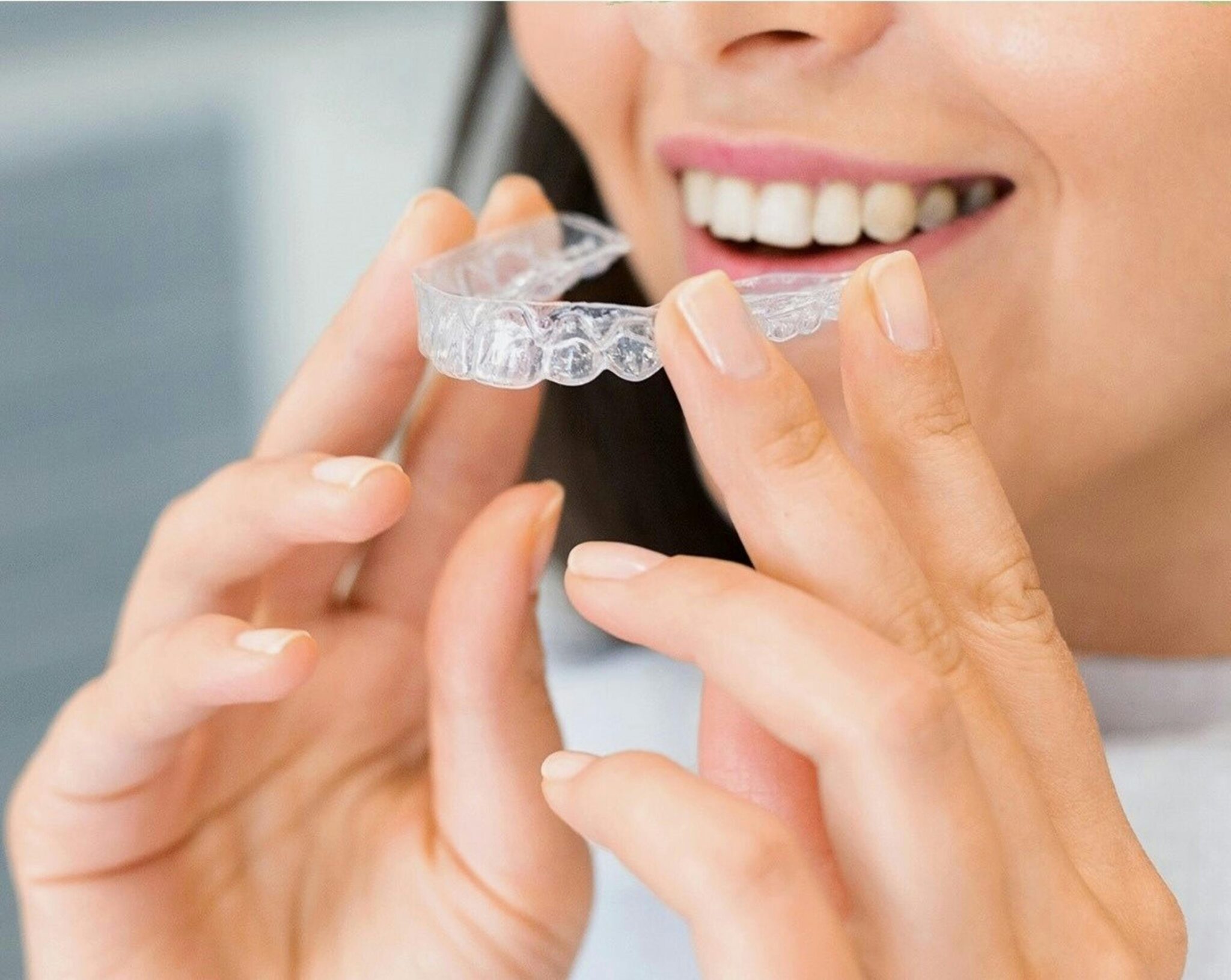


Dental bonding has a reputation for being the quick fix in cosmetic dentistry. It can smooth a chipped edge, close a small gap, reshape a worn tooth, or mask discoloration in a single visit. Patients often leave the chair pleased with how natural it looks and relieved that the procedure was conservative. Then the practical question comes up, sometimes on the same day, sometimes months later when someone bites into a crusty baguette or catches their thumbnail on the edge of a bonded front tooth: how durable is it, really?
The honest answer is that dental bonding can hold up very well in everyday life, but it is not indestructible. It sits in a middle ground. It is more durable than many people expect from a minimally invasive cosmetic treatment, yet not as robust or long-lasting as porcelain veneers or crowns. Its lifespan depends on where it is placed, how much bite pressure it absorbs, the quality of the original bonding work, and the patient’s daily habits.
https://gregorymzzu463.publishlane.com/posts/dental-bonding-aftercare-tips-to-keep-your-smile-looking-greatThat balance is exactly why bonding remains so popular. It can produce a meaningful cosmetic improvement with very little removal of natural tooth structure. It is often more affordable than porcelain. Repairs are usually straightforward. For the right case, those advantages matter more than having the strongest material available.
What dental bonding actually is
Dental bonding uses a tooth-colored composite resin, the same family of materials often used for white fillings. The dentist prepares the surface, applies an adhesive system, layers the resin, shapes it, and cures it with a special light. After that, the restoration is contoured and polished so it blends with the surrounding enamel.
On a technical level, bonded composite is both strong and somewhat vulnerable. It adheres to tooth structure, which allows the dentist to preserve healthy enamel. At the same time, it is still a resin-based material. It can stain, chip, wear, and lose polish over time. It does not behave exactly like natural enamel, and it does not have the ceramic hardness of porcelain.
This matters because many people hear “bonding” and think of it as either a fragile cosmetic patch or a permanent rebuild. It is neither. In practice, it behaves more like a well-made repair. If the case selection is good and the patient treats it sensibly, it can stay attractive and functional for years.
How long dental bonding usually lasts
A common range for dental bonding is about 3 to 10 years. That is a broad range for a reason. A tiny cosmetic addition on the edge of a front tooth may look excellent for several years if the patient has a stable bite and no grinding habit. A larger bonded area on a tooth that takes a lot of force may need touch-ups sooner. Some bonding lasts longer than expected. Some fails early, even when the dentist did everything right, because the mouth is a demanding environment.
The shorter end of the range tends to show up when bonding is placed on biting edges, in patients who clench or grind, or in people with habits like nail biting, chewing ice, or using teeth to open packaging. The longer end is more realistic when bonding is small, carefully polished, protected from heavy forces, and cleaned well.
There is also a difference between survival and ideal appearance. A bonded area may still be attached at year seven, but it might have lost some luster, picked up stain, or developed tiny wear marks that make a patient consider replacement before it has technically failed. In cosmetic dentistry, those details count.
Everyday life is where durability gets tested
Most dental materials do not fail during dramatic accidents. They fail slowly under repeated ordinary stress. A bonded front tooth may encounter hundreds of minor forces in a day: biting toast, sipping coffee, speaking, slight tooth-on-tooth contact, temperature changes from hot soup and cold water. None of those alone is remarkable. Together, over months and years, they shape the lifespan of the restoration.
That is why durability is less about a single headline number and more about daily function. If bonding is done on the front teeth for cosmetic reasons, it often performs well because front teeth usually do not bear the same crushing force as molars. Even then, certain movements are hard on it. Tearing into tough sandwiches with the incisors, biting directly into apples, or absentmindedly chewing pen caps can stress the thin edge of the bonded material.
Posterior use is more demanding. Composite resin is used very successfully in back teeth as fillings, but when the question is cosmetic bonding for shape changes or repairs in force-heavy areas, the risk of wear and fracture rises. The larger the bonded addition and the more it extends into load-bearing zones, the more cautious the prognosis.
A useful comparison from everyday practice is this: bonding is often excellent for modest repairs and refinements, but it is less ideal when asked to function like a major structural replacement under high bite pressure.
The biggest factors that affect how long bonding lasts
Durability does not hinge on one magic variable. It is a stack of influences, and small details matter.
Location in the mouth
Bonding on a front tooth that mainly improves shape or closes a small gap tends to fare better than bonding that rebuilds a large corner fracture on a tooth with an edge-to-edge bite. The more direct force the restoration receives, the more likely it is to chip or wear.
Size of the bonded area
A small addition is usually more predictable than a large one. Extending a slightly short incisal edge by a millimeter is a different mechanical problem than rebuilding half a tooth. Larger restorations create more opportunities for stress at the bond interface and more surface area to stain or dull.
Bite pattern and grinding
This is the hidden factor that surprises people. A patient can have excellent brushing habits and still break bonding repeatedly because they clench at night. Bruxism creates heavy, repetitive force, often sideways rather than straight down, which is especially hard on bonded edges. In real practice, when bonding fails early more than once, the bite and parafunctional habits almost always deserve a closer look.
Material selection and finishing
Not all composites behave the same way. Some polish beautifully and resist wear better in visible areas. Layering technique, moisture control during placement, and finishing quality all affect outcome. A well-polished restoration not only looks better on day one, it tends to attract less stain and plaque over time.
Oral hygiene and diet
Bonding itself does not decay, but the tooth around it can. Poor plaque control raises the risk of staining at the margins and recurrent decay where the restoration meets enamel. Frequent exposure to coffee, tea, red wine, tobacco, and strongly pigmented foods can also shorten the cosmetic lifespan.
What durability looks like in real situations
The phrase “lasts for years” can feel vague, so it helps to translate it into real scenarios.
A patient who had a tiny chip repaired on a front tooth after bumping a glass may forget the bonding is even there. If the bite is favorable and the color match is good, that kind of repair can hold up beautifully with little maintenance.
Another patient closes a small gap between the front teeth with bonding. The result can be attractive and stable, but because those teeth sit front and center, even mild staining or edge wear becomes noticeable sooner. The bonding may remain intact for a long time while still benefiting from repolishing or refreshment.
Then there is the patient who grinds heavily at night and wants several worn front teeth lengthened with bonding. The treatment can still be worthwhile, especially when used as a conservative first step, but expectations need to be grounded. Nightguard use becomes important, and periodic repairs are part of the plan rather than a sign that treatment failed.
This is where professional judgment matters. Good dentists do not only ask whether bonding can be done. They ask whether it is the right long-term material for the way that specific mouth functions.
Bonding versus veneers and crowns
People often compare dental bonding with porcelain veneers because both can improve the appearance of front teeth. The two are not interchangeable, even if they can sometimes solve the same cosmetic problem.
Bonding usually costs less, can often be done in one appointment, and preserves more natural tooth structure. It is easier to modify or repair. For younger patients, small cosmetic corrections, or situations where minimal intervention is the priority, those are major advantages.
Porcelain generally wins on stain resistance, surface gloss, and long-term durability. A porcelain veneer does not tend to dull and discolor the way composite can. It is also stronger in many settings, though porcelain can chip too, and repair is often less simple than composite repair.
Crowns enter the discussion when a tooth is heavily broken down or structurally compromised. If the issue is more than cosmetic, bonding may not be enough. Asking bonding to do the job of a crown often leads to repeated failures.
The right choice depends on how much tooth is left, how the bite works, the patient’s age, budget, cosmetic expectations, and willingness to return for maintenance. Conservative treatment has real value, but so does choosing a material that matches the job.
What patients usually notice first when bonding ages
Bonding does not always fail with a dramatic crack. More often, the first signs are subtle.
You might notice the edge feels rougher when you run your tongue across it. The shine may soften compared with neighboring enamel. Coffee or tea can leave the bonded area a little darker or more matte. Very fine stain lines can appear where the material meets the natural tooth. None of that necessarily means the restoration is about to come off. It often means it is aging the way composite tends to age.
In many cases, a polish or minor refinishing can improve the look significantly. That is one of bonding’s most practical advantages. Small maintenance visits can extend the cosmetic life without replacing everything.
A true functional problem looks different. That is when a piece chips, the edge catches, the bite feels different, or sensitivity develops. Then the dentist has to determine whether the issue is isolated wear or a sign that the restoration is under too much stress.
Habits that shorten the life of dental bonding
The mouth reveals habits quickly. Patients are often surprised by what counts as a risk.
Here are the most common bonding breakers seen in daily practice:
- Biting fingernails, pen caps, or loose threads
- Chewing ice or very hard sweets
- Opening packets or bottle seals with teeth
- Clenching or grinding, especially during sleep
- Frequent intake of coffee, tea, red wine, or tobacco without good cleaning habits
None of these guarantees failure, but together they shift the odds. Bonding on someone who treats their teeth gently behaves very differently from bonding in a mouth that routinely uses front teeth as tools.
How to make bonding last longer
Most of the advice is simple, but simple does not mean unimportant. Durability often comes down to repeated low-stakes choices.
Brush and floss consistently, especially around the margins of the restoration. Composite can look older faster when plaque sits along the edge. If you drink staining beverages often, rinsing with water afterward helps more than people think. It reduces how long pigments stay in contact with the surface.
Be careful with how you bite into hard foods. This does not mean living cautiously forever. It means using common sense. Cutting up very hard fruits, crusty bread, or tough meats can spare a front-edge bonding repair from unnecessary stress. Patients with several bonded front teeth often adapt naturally after one or two reminders.
If you grind or clench, a nightguard may do more for the life of your bonding than any toothpaste or polish ever will. This is especially true for people who have had chipping more than once. The guard protects not just the bonding, but the natural teeth and any other dental work as well.
Regular maintenance also matters. A dentist may be able to smooth a tiny rough area or polish away mild surface stain before the problem becomes obvious. Waiting until a small chip becomes a larger fracture usually means a more extensive repair.
When bonding is an excellent choice
Bonding shines when the change needed is moderate, localized, and primarily cosmetic. It is especially useful for a small chip, a minor gap, subtle reshaping, a short tooth edge, or camouflage of limited discoloration. It also works well as a reversible or semi-conservative first step for people who are not ready to commit to porcelain.
There is a practical wisdom to that approach. Someone in their twenties with healthy enamel and a small cosmetic concern may benefit from starting with bonding, not because porcelain is bad, but because preserving options over a lifetime matters. Teeth are not static. Bites change. Gum levels change. Restorations eventually need maintenance. Choosing the least invasive treatment that can reasonably meet the goal is often sound dentistry.
Bonding is also useful diagnostically. In some smile design cases, temporary shape changes done in composite help both dentist and patient understand what length, contour, or proportion feels right before considering more definitive treatment.
When durability concerns should steer the conversation elsewhere
There are cases where bonding can still be done, but the odds are not favorable enough to call it the best option. A patient with severe bruxism, large areas of tooth wear, and a heavy edge-to-edge bite may love the immediate look of bonded front teeth, yet face repeated chips unless the bite is managed and expectations are clear.
Likewise, a tooth with substantial structural loss may need something stronger than composite alone. If the remaining enamel is minimal, or if the restoration must carry significant force, the conversation often shifts toward veneers, onlays, or crowns, depending on the tooth.
This is not a failure of bonding as a material. It is simply case selection. Good outcomes in dentistry depend as much on choosing appropriate indications as on technical skill.
Questions worth asking before you commit
A useful consultation is not only about shade and shape. It should also address function. Patients often benefit from asking a few direct questions:
- How much force will this bonded area take in my bite?
- Am I a grinder or clencher, and would a nightguard help?
- Is bonding likely to be a long-term solution for me, or more of a medium-term conservative option?
- If it chips or stains, can it be polished or repaired easily?
- Would porcelain or another treatment be more durable in my specific case?
Those questions shift the discussion from sales talk to treatment planning. That is where realistic expectations are built.
The day-to-day verdict
Dental bonding is durable enough for ordinary life when it is used thoughtfully. People can eat, speak, smile, work, and socialize without treating their teeth like fragile glass. Most bonded restorations do not require special products or elaborate routines. They require awareness, decent habits, and a treatment plan that respects how the mouth actually functions.
Its limitations are real. It can stain sooner than porcelain. It can chip under concentrated force. It may need polishing, repair, or replacement earlier than more definitive ceramic work. Yet those drawbacks sit alongside meaningful strengths: conservative preparation, lower upfront cost, fast results, and straightforward repairability.
For many patients, that trade-off makes excellent sense. Dental bonding is not the most permanent cosmetic option, but permanence is not the only measure that matters. When the indication is right and the bite is respected, it can be one of the most practical and satisfying treatments in everyday dentistry.
Toothworks of Bakersfield, Dentist and Orthodontist
Address: 1030 H St #1, Bakersfield, CA 93304
Phone number: +16613239421
FAQ About Dental Bonding
How long does dental bonding last?
Dental bonding typically lasts between 3 and 10 years (averaging about 5 to 8 years) before it needs a touch-up or replacement. Its lifespan depends heavily on your daily habits, where the bonding is placed in your mouth, and how well you care for your teeth.
How expensive is bonding a tooth?
Dental bonding typically costs between $100 and $600 per tooth, with a national average of about $431 per tooth.
What are the downsides of dental bonding?
Dental bonding has several drawbacks, including lower durability, a shorter lifespan, and a tendency to stain compared to alternatives like porcelain veneers.