Ways to Reduce Discomfort During Gum Disease Treatment
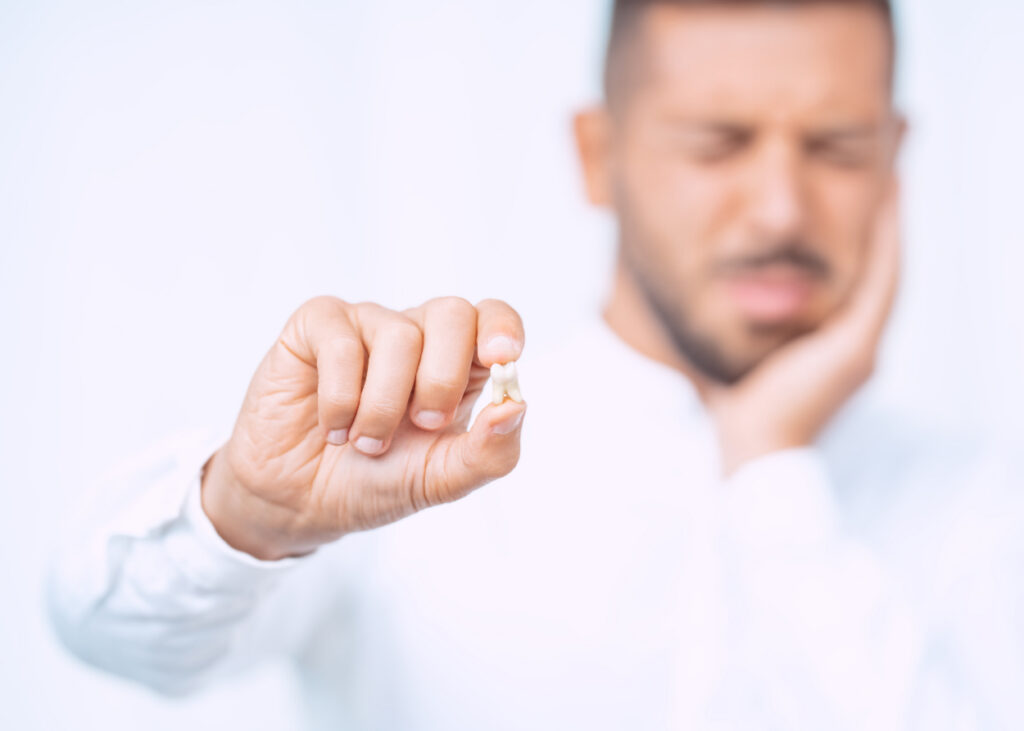

Gum disease treatment can be a turning point for oral health, but many patients walk into the appointment with one dominant concern: how much it will hurt. That concern is understandable. Whether someone is scheduled for a deep cleaning, scaling and root planing, localized antibiotic therapy, or a more involved periodontal procedure, the mouth is sensitive territory. Even minor inflammation can make ordinary brushing feel sharp. The idea of treatment on already tender gums often raises anxiety before anything has even started.
The reassuring part is that discomfort during Gum Disease Treatment is usually manageable, and in many cases far less severe than patients expect. The degree of soreness depends on the severity of the infection, the specific procedure, pain tolerance, and how carefully the recovery period is handled. The difference between a rough experience and a smooth one often comes down to preparation, communication, and aftercare.
Patients who do best are rarely the ones with the highest pain threshold. More often, they are the ones who know what to expect and follow a few practical habits before and after treatment. A good periodontal team can do a great deal to minimize pain in the chair, but comfort also depends on what happens at home in the hours and days that follow.
Why gum disease treatment can feel uncomfortable in the first place
To understand how to reduce discomfort, it helps to understand where the discomfort comes from. Gum disease is not just a surface problem. Inflamed tissue tends to swell, bleed easily, and react more strongly to pressure and temperature. When plaque and tartar collect below the gumline, the body mounts an inflammatory response. That is what causes the redness, puffiness, tenderness, and occasional throbbing many patients notice before treatment even begins.
Treatment often involves cleaning beneath the gums where the infection lives. In scaling and root planing, instruments are used to remove hardened deposits from root surfaces and smooth those roots so the gums can reattach more easily. If pockets are deep or the area is especially infected, the tissue can already be sore before the first instrument touches it. After treatment, those same areas may feel raw for a short time because debris has been removed and inflamed tissues are beginning to heal.
There is also a less obvious source of sensitivity. Once tartar and swollen tissue are gone, parts of the tooth root that were previously covered can become temporarily more exposed. Cold water, air, and sweet foods may trigger a quick zing that was not there before. That can worry patients, but it is common and often settles as the gums tighten and inflammation decreases.
Start with the right conversation before treatment
One of the most effective ways to reduce discomfort is also one of the simplest: be direct with the dental team before treatment begins. Many patients minimize their fear because they do not want to seem difficult. That tends to backfire. A hygienist or periodontist can adjust technique, pacing, and anesthetic options only if they know what the patient is feeling.
It helps to be specific. Saying “I’m nervous” is useful, but saying “my lower front teeth are extremely sensitive to cold” or “I had trouble getting numb during a past filling” gives the clinician something actionable. Patients with a strong gag reflex, a history of jaw soreness, or anxiety-related panic symptoms should mention that as well. Those details may change how the appointment is scheduled, how often breaks are offered, or whether a stronger local anesthetic is chosen.
In practice, patients who speak up early usually have gentler appointments. The team can numb areas more thoroughly, work in smaller sections, pause when needed, and explain sensations before they happen. Predictability lowers stress, and lower stress often means lower perceived pain.
Numbing matters more than people think
Local anesthesia is one of the main reasons modern Gum Disease Treatment is tolerable. Yet many people treat numbing as an afterthought, almost as if they should try to tough it out. That approach rarely earns any benefit. When the tissues are inflamed, they can be more sensitive and occasionally more resistant to anesthetic, especially in severe infections. Asking for effective numbing is not overreacting. It is good treatment planning.
For some patients, a topical numbing gel placed before the injection makes the start easier. For others, the key is simply giving the anesthetic enough time to work fully before treatment begins. Rushing this step is a common reason people feel more than they should. In especially sensitive cases, treatment may be divided into smaller areas so numbing can be focused where it is needed most.
Patients who are highly anxious may also benefit from discussing mild sedation options where appropriate and available. Even a modest reduction in anxiety can make the physical sensations of treatment easier to tolerate. Fear amplifies pain. A calm nervous system perceives the same stimulation very differently.
Timing your appointment can change the experience
A detail that gets overlooked surprisingly often is appointment timing. When possible, avoid booking a lengthy periodontal procedure at the end of an exhausting day or immediately before a stressful obligation. If someone has to rush back to work, pick up children, or sit through several hours of meetings right afterward, even mild soreness can feel much worse.
Morning appointments work well for many patients because the body is less fatigued, the mind has had less time to build dread, and there is time afterward to rest if needed. Others prefer midday so they can eat breakfast, hydrate, and arrive settled. The best timing is personal, but the main principle is this: give yourself breathing room after the visit. A little recovery time reduces the temptation to ignore aftercare or eat the wrong thing out of convenience.
If extensive treatment is planned, ask whether it can be staged. A patient with generalized moderate periodontitis may do better with treatment split into multiple shorter visits rather than one marathon session. That is not always necessary, but in many real-world cases it improves comfort and recovery.
What to do in the 24 hours before treatment
The body handles dental treatment better when basic needs are covered. Showing up dehydrated, sleep deprived, or hungry increases stress and can make sensitivity feel sharper. The goal is not to overprepare, but to arrive physically steady.
A few habits help more than patients expect:
- Get a full night of sleep if possible, because fatigue lowers pain tolerance.
- Eat a balanced meal one to two hours before the appointment unless told otherwise.
- Drink water throughout the day so the mouth and body are not dry.
- Avoid alcohol the night before, since it can worsen dehydration and recovery.
- Take regular medications as directed, unless the dental office advises a change.
The meal point matters. Patients sometimes skip food because they assume dental treatment and eating do not mix. Then they arrive shaky, tense, and more reactive. A simple breakfast with protein and something soft, such as eggs, yogurt, oatmeal, or a smoothie, can make a noticeable difference.
The role of anti-inflammatory pain relief
For many patients, the most effective post-treatment pain control comes from reducing inflammation rather than chasing pain after it peaks. If a dentist or periodontist recommends an over-the-counter anti-inflammatory medication, taking it on schedule during the first day can help keep soreness from building. This should always be guided by the patient’s medical history, especially if there are stomach issues, kidney concerns, blood thinner use, pregnancy, or medication interactions.
What matters clinically is timing. Once local anesthesia wears off, discomfort tends to rise. A patient who waits until the mouth is already throbbing often has a harder time getting back ahead of it. By contrast, a patient who follows the office’s instructions early usually reports soreness as dull and manageable rather than sharp and distracting.
Acetaminophen may be recommended in some cases instead of or alongside an anti-inflammatory, depending on medical needs. The safest choice is individual. The office’s instructions should always take priority over generic advice.
Cold helps, but technique matters
Cold therapy is simple and surprisingly effective for sore gums and jaw muscles after treatment. It works best in the first several hours when tissues are beginning to respond to manipulation. The mistake people make is either skipping it entirely or overdoing it. Applying intense cold for too long can become uncomfortable and is unnecessary.
A soft cold pack wrapped in cloth on the outside of the face can calm swelling and take the edge off tenderness, particularly after more extensive procedures. It is not usually needed for every deep cleaning, but it can help if the gums were significantly inflamed or if the mouth was held open for a long session. Gentle use is enough. The goal is relief, not numbness.
Inside the mouth, ice water can feel good for some patients, but for others it triggers root sensitivity, especially after scaling and root planing. That is why room-temperature water is often the safer default during the first day.
Food choices make recovery easier or harder
After Gum Disease Treatment, food can either soothe the mouth or aggravate it. Freshly treated gums do not appreciate https://telegra.ph/Can-Untreated-Gingivitis-Lead-to-Intensive-Gum-Disease-Treatment-08-31 friction, heat, acid, or sharp edges. Patients often know to avoid chips, but they overlook crusty bread, seeded crackers, spicy foods, citrus, and very hot coffee. Even a healthy salad can sting if vinegar reaches inflamed tissue.
Soft foods are not just about comfort. They also reduce the chance of disrupting early healing or wedging particles into sensitive gum pockets. Yogurt, scrambled eggs, mashed vegetables, oatmeal, cottage cheese, soups that have cooled slightly, smoothies without berries full of seeds, and tender fish are all common choices. Temperature matters almost as much as texture. Lukewarm or cool tends to be better than hot.
One of the best practical habits is chewing on the untreated side if only one area was worked on. Patients forget this until the first uncomfortable bite reminds them. If both sides were treated, smaller bites and slower chewing help.
Oral hygiene after treatment needs finesse, not fear
Some patients are too aggressive after treatment because they want to “keep everything extra clean.” Others avoid brushing near the area because they are afraid of causing damage. Both extremes cause problems. Healing gums need cleanliness, but they also need a light hand.
Usually, the treated areas should be kept clean according to the office’s instructions, which may include a very soft toothbrush, warm saltwater rinses, or a prescribed rinse. The key is gentle consistency. Plaque builds quickly on teeth and along gum margins. If brushing is skipped for a day or two, the bacterial film that returns can inflame the tissue again and make the mouth feel worse.
Bleeding during gentle brushing or flossing after treatment can be unsettling, but mild bleeding is not unusual when tissue has been inflamed. That does not always mean something is wrong. In fact, if a patient stops cleaning entirely because of a little blood, tenderness often lingers longer. Of course, heavy bleeding, worsening pain, pus, or swelling that increases after the first couple of days should be reported promptly.
Saltwater rinses are useful, but they are not a cure-all
Warm saltwater rinses remain popular because they are simple, inexpensive, and often soothing. They can help reduce surface irritation and make the mouth feel cleaner without the burn some commercial mouthwashes cause. They are particularly helpful after nonsurgical periodontal treatment when gums feel puffy or mildly abraded.
Still, they should be used as an adjunct, not as a substitute for the plan given by the dental office. Patients occasionally assume that rinsing often enough will replace brushing or that it can resolve persistent pain on its own. It cannot. If the area is getting more uncomfortable rather than steadily better, a rinse is not the answer. A follow-up evaluation is.
Managing sensitivity after deep cleaning
Root sensitivity is one of the more frustrating aftereffects of treatment because it can catch people off guard. A patient may feel fine with the gums but suddenly notice that cold air or a sip of iced water causes a sharp flash. That usually happens because tartar that covered parts of the root has been removed, and the root surface is now more exposed while the gums are still tightening up.
This sensitivity is often temporary. Desensitizing toothpaste can help, though it generally works best with regular use over time rather than as an immediate fix. Brushing with a soft brush and avoiding very cold foods for several days usually helps as well. In-office desensitizing agents may also be an option if symptoms are pronounced.
A useful bit of perspective here is that temporary sensitivity after treatment is not the same as untreated disease pain. Disease pain tends to linger, throb, and come with bleeding or bad breath. Post-treatment sensitivity is more likely to be brief, stimulus-based, and gradually improve.
Anxiety control is pain control
Pain is not purely physical. Anticipation shapes it. A patient who arrives tense, gripping the armrest and bracing for every movement, often experiences more discomfort than a patient receiving the exact same treatment with a calmer nervous system. That is not imaginary. Muscle tension, shallow breathing, and heightened vigilance all amplify sensation.
Simple anxiety-management techniques are often more effective than people expect. Slow nasal breathing during injections, listening to music through one earbud if the office allows it, agreeing on a hand signal for breaks, and asking the clinician to narrate key moments can all reduce the sense of helplessness. For patients with dental trauma or severe anxiety, this is not a minor issue. It can be the difference between completing treatment successfully and postponing it until the disease worsens.
I have seen patients who insisted they had “very low pain tolerance” go through periodontal care with minimal trouble once they felt informed and in control. I have also seen physically tough patients struggle because they refused to communicate and arrived already exhausted and scared. Mindset does not erase discomfort, but it absolutely changes how manageable that discomfort feels.
When discomfort signals a problem, not normal healing
Some soreness is expected. Persistent, escalating, or unusual pain deserves attention. One of the hardest things for patients is distinguishing normal healing from a complication. Most routine tenderness improves steadily over the first few days. The mouth may feel bruised, mildly swollen, or sensitive to brushing and chewing, but the trend should be toward better, not worse.
It is time to call the dental office if any of the following occur:
- Pain intensifies after the first 48 to 72 hours instead of easing.
- Swelling becomes more pronounced or spreads to the face or jaw.
- There is fever, foul-tasting drainage, or a clear sense of infection.
- Bleeding is heavy, persistent, or difficult to control.
- A bite suddenly feels uneven or a treated area becomes sharply painful to touch.
Patients sometimes wait too long because they do not want to “bother” the office. That hesitation can prolong suffering. Periodontal teams expect follow-up questions. A small adjustment, a prescription rinse, or a quick exam may solve the issue early.
Smokers, clenchers, and medically complex patients need extra planning
Not every patient experiences Gum Disease Treatment the same way. A smoker may have slower healing and more tissue irritation. Someone who clenches or grinds may confuse muscle pain from a tense jaw with gum pain after a procedure. A patient with diabetes, autoimmune disease, dry mouth, or medications that affect bleeding or healing may need more tailored aftercare.
These patients often benefit from more conservative assumptions. They may need shorter visits, closer follow-up, more meticulous home care, or a clearer pain-management plan. Smokers in particular should be told plainly that tobacco exposure can worsen soreness and delay healing. Even a brief reduction around the time of treatment can help, though full cessation is the ideal.
For clenchers, one practical issue is nighttime jaw tension after a stressful dental visit. The gums may not be the only source of pain. The cheeks, temples, and jaw joints can ache from being held open or from overnight grinding. In those cases, a soft diet, heat to the jaw muscles after the first day, and awareness of daytime clenching can be just as important as gum care.
Better treatment often means less discomfort over time
There is a paradox in periodontal care. The treatment itself may cause temporary soreness, but delaying it almost always leads to more discomfort later. Untreated gum disease progresses quietly and then suddenly becomes much harder to ignore. Teeth feel loose, gums recede, breath worsens, abscesses form, chewing changes, and more invasive treatment may be needed.
By contrast, timely care usually shortens the total discomfort arc. A patient with mild to moderate gum disease who receives treatment early may deal with a few days of tenderness and then feel markedly better, sometimes within a week. Bleeding decreases. The swollen, puffy feeling subsides. Brushing becomes easier. Many patients are surprised to realize that what they thought was “normal gum sensitivity” had actually been chronic inflammation all along.
That is why comfort strategies matter. They make it easier for patients to complete treatment and stay with maintenance visits afterward. Periodontal disease is rarely solved by one procedure alone. It improves through a combination of professional care and steady home habits. Reducing discomfort helps people stay consistent long enough to see the benefit.
The practical goal
The goal is not to eliminate every sensation. Few medical or dental treatments can promise that. The real goal is to keep discomfort mild, brief, and predictable enough that it does not interfere with healing or daily life. That is achievable for most patients.
A well-timed appointment, honest communication, effective numbing, smart food choices, gentle hygiene, and prompt follow-up when something feels off can dramatically change the experience of Gum Disease Treatment. When patients approach treatment with preparation instead of dread, the process tends to feel less like an ordeal and more like what it truly is: a necessary reset for tissue that has been inflamed for far too long.
Avra Dental
Address: 1708 S Victoria Ave B, Ventura, CA 93003
Phone number: +18057653206
FAQ About Gum Disease Treatment
Can I make my gums healthy again?
Yes, you can make early-stage gum disease completely healthy again, but advanced damage requires professional care to manage.
Can you cure gum disease?
You can cure early-stage gum disease, but advanced gum disease cannot be fully cured.
Can I live a normal life with gum disease?
Yes, you can live a normal life with gum disease, but it requires active, lifelong management to control the condition and prevent serious complications